Devon Schröder · 3 October 2026
Exploring Data Integration Patterns Within Event Management Platforms for Nonprofit Donor Retention Strategies
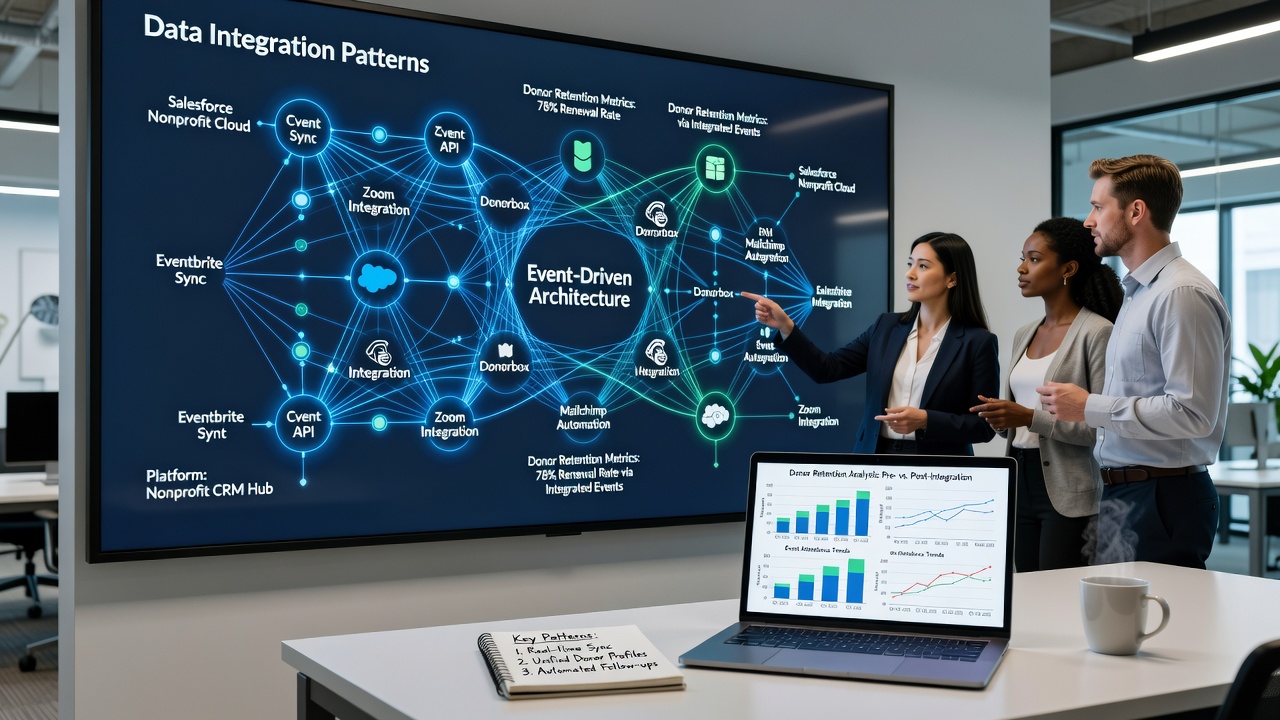
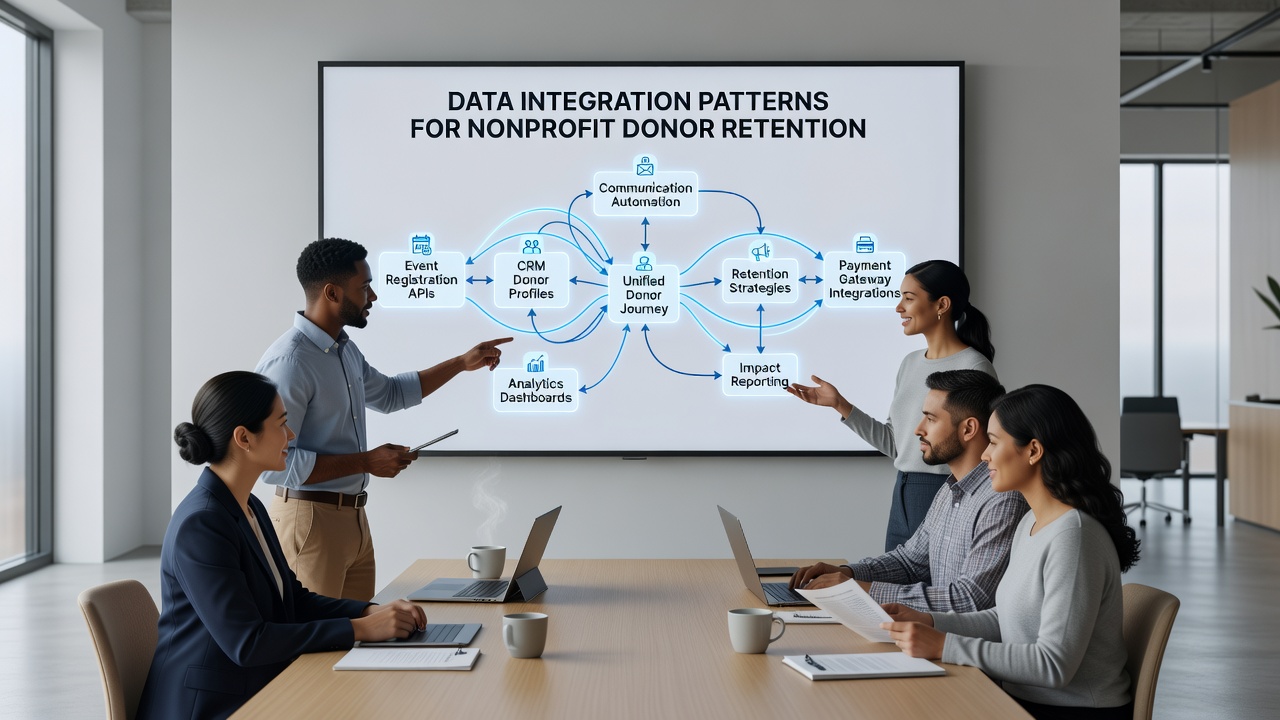
Nonprofit organizations rely on event management platforms to host fundraisers, galas, and community gatherings that connect attendees with causes, and data integration patterns allow these platforms to feed attendance records, engagement metrics, and contact details directly into donor management systems without manual transfers. Patterns such as API-driven synchronization pull real-time registration data from tools like Cvent or Eventbrite into CRM environments, while ETL batch processes handle nightly uploads of ticket sales and session participation that correlate with later donation likelihood. Researchers at multiple institutions have documented how these connections support retention by triggering automated thank-you sequences and personalized follow-up campaigns within hours of an event conclusion, and data shows that organizations using integrated flows see measurable improvements in repeat giving rates over isolated systems.
Core Integration Patterns in Use
Event-driven architectures stand out because they push notifications whenever a donor registers or attends a session, enabling immediate segmentation in donor databases that flags high-engagement individuals for stewardship calls, whereas point-to-point API connections handle simpler scenarios like syncing basic contact fields between platforms and accounting software. Middleware layers sit in between for more complex mappings that normalize inconsistent data formats from multiple event tools, and observers note that this approach reduces duplication errors that otherwise fragment donor histories. In October 2026 several major platforms plan to release enhanced webhook support that will expand these options for smaller nonprofits still operating with legacy databases.
Application to Donor Retention Workflows
Retention strategies depend on timely insights from event data, so integration patterns that merge attendance logs with giving histories allow staff to identify lapsed donors who attended recent webinars yet failed to renew annual gifts, and those patterns trigger targeted outreach sequences based on behavioral triggers rather than calendar schedules. Studies from academic centers indicate that when event registration data flows into predictive models, nonprofits can forecast churn risks with greater accuracy because the combined datasets reveal patterns such as declining session participation preceding donation drops. People managing donor programs often discover that real-time API integrations surface these signals faster than weekly batch jobs, which gives teams additional days to intervene before annual appeals close.
Implementation Considerations Across Organizations
Security protocols and compliance requirements shape which patterns nonprofits adopt, since donor contact information and payment details must travel through encrypted channels that satisfy regulations in different jurisdictions. Data mapping rules standardize fields such as event type codes and attendee response statuses so that downstream analytics produce consistent reports on how specific gatherings influence lifetime value. Organizations that layer incremental synchronization on top of full refreshes maintain data freshness during high-volume periods like year-end campaigns while controlling costs associated with constant API calls. Figures from the Canada Revenue Agency reveal steady growth in digital reporting among registered charities, underscoring the practical value of these integration choices for compliance and operational efficiency.
Observed Outcomes in Practice
Case examples from mid-sized environmental nonprofits illustrate how event-driven integrations shortened the interval between a donor's first gala registration and a follow-up cultivation email to under twenty-four hours, and the same systems flagged volunteers who transitioned into recurring givers after multiple service events. Academic reports compiled by European research networks document similar retention lifts when platforms exchange session-level attendance with longitudinal giving records, although results vary by cause area and average gift size. What's interesting is that hybrid patterns combining batch ETL for historical archives with streaming APIs for current events deliver the most stable performance across organizations that manage both large annual conferences and smaller monthly webinars.
Future Directions for Nonprofits
Platform vendors continue to expand native connectors that reduce custom development needs, and these pre-built options lower barriers for groups without dedicated IT staff while preserving flexibility for unique data fields required by specific campaigns. As more nonprofits adopt cloud-based donor systems, the demand for standardized integration patterns that accommodate both event data and offline giving channels will shape vendor roadmaps through the coming years. External benchmarks from sources such as the National Council of Nonprofits track these adoption rates and highlight organizations that achieve higher retention through coordinated data flows rather than siloed tools.
Conclusion
Integration patterns within event management platforms supply the connective tissue that turns isolated attendance records into actionable donor intelligence, and the resulting workflows support retention through faster, more accurate personalization. Nonprofits evaluating options benefit from mapping current data sources against available patterns to identify the combination that aligns with their scale, compliance needs, and existing technology stack, while monitoring platform updates scheduled for late 2026 that may introduce additional capabilities.